

Wildflower meadow for pollinators and beneficial insects
Wildflower meadow for insect repopulation: technical mixtures to support biodiversity and pollinators
A wildflower meadow for insect repopulation is an increasingly requested agronomic solution to improve biodiversity, enhance green areas and create favourable habitats for beneficial insects.
In agricultural, peri-urban, landscape and naturalistic contexts, the introduction of selected flower species helps provide food, shelter and ecological continuity for pollinators, butterflies, bees and beneficial insects.
Comagricola supplies professional wildflower meadow mixtures designed to meet different application needs, with specific formulations for insect repopulation and for improving the environmental quality of grassed areas.
Wildflower meadow mixtures with flower seeds only
A distinctive feature of Comagricola wildflower meadow mixtures is their composition: our mixtures contain flower seeds only.
This choice allows us to create targeted formulations, with species selected according to the intended use, flowering succession and ability to attract beneficial insects.
On request, and depending on the quantities required, our flower mixtures can be blended with grasses, in order to adapt the final composition to the technical requirements of the project, the soil type and the agronomic or landscape objective of the intervention.
Why sow a wildflower meadow for beneficial insects
The establishment of a wildflower meadow contributes to the creation of habitats favourable to insect fauna.
Flower species provide nectar, pollen and shelter, which are essential elements for supporting pollinators and beneficial insects.
From an agronomic point of view, these mixtures can be used to:
-
enhance marginal areas, embankments, field margins and uncultivated surfaces;
-
increase plant and animal biodiversity;
-
encourage the presence of beneficial insects for crops;
-
improve the aesthetic and naturalistic value of green spaces;
-
create attractive flowering areas for bees, butterflies and other pollinators.
Comagricola mixtures for insect repopulation
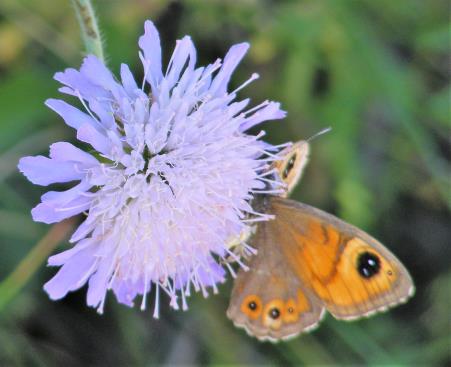
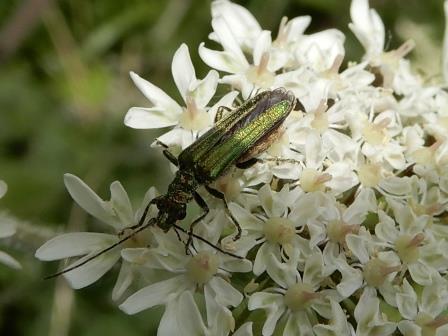
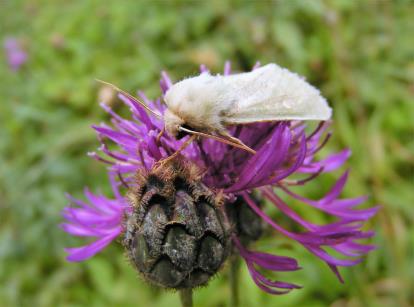
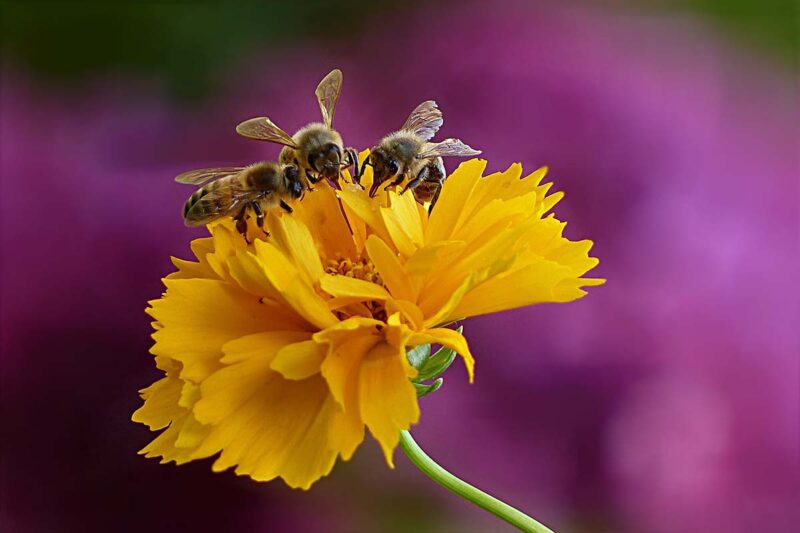
The Comagricola line dedicated to insect repopulation includes four specific mixtures, each formulated for a well-defined agronomic and naturalistic function.
Agronomic and landscape applications
Wildflower meadow mixtures for insect repopulation can be used in several contexts:
-
farms and field margins;
-
public and private green areas;
-
parks, naturalistic gardens and recreational areas;
-
embankments, buffer strips and marginal areas;
-
uncultivated surfaces to be enhanced;
-
biodiversity and renaturalisation projects.
The choice of the most suitable mixture should take into account the objective of the intervention, soil type, exposure, water availability and post-sowing management.
Wildflower meadow management
To obtain good results, it is important to properly prepare the seedbed, reducing weed competition and ensuring good seed-to-soil contact.
After sowing, management should respect the vegetative cycle and flowering period, avoiding mowing that is too frequent or too early.
Correct agronomic management allows the wildflower meadow to fully express its aesthetic, ecological and functional potential, encouraging the stable presence of beneficial insects over time.
Comagricola: professional wildflower meadow mixtures
Comagricola offers technical wildflower meadow mixtures designed for professionals, farms, public authorities, landscape designers and green sector operators.
The line dedicated to insect repopulation provides specific solutions to support bees, butterflies, beneficial insects and pollinators, contributing to the creation of flower-rich areas with high ecological value.
All our wildflower meadow mixtures are composed exclusively of flower seeds.
Depending on project requirements and the quantities requested, the mixtures can be blended with grasses, creating customised formulations suitable for different conditions of use.
With the mixtures Butterfly Flowers, Insect Flowers, Honey Flowers and Bee Flowers, Comagricola offers practical solutions to transform green areas and marginal surfaces into richer, more functional environments that support biodiversity.
